|
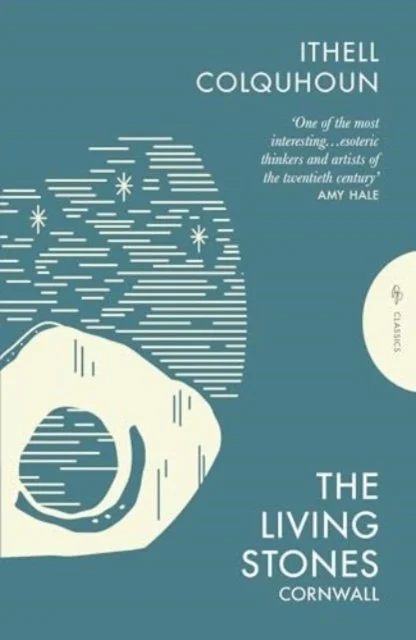
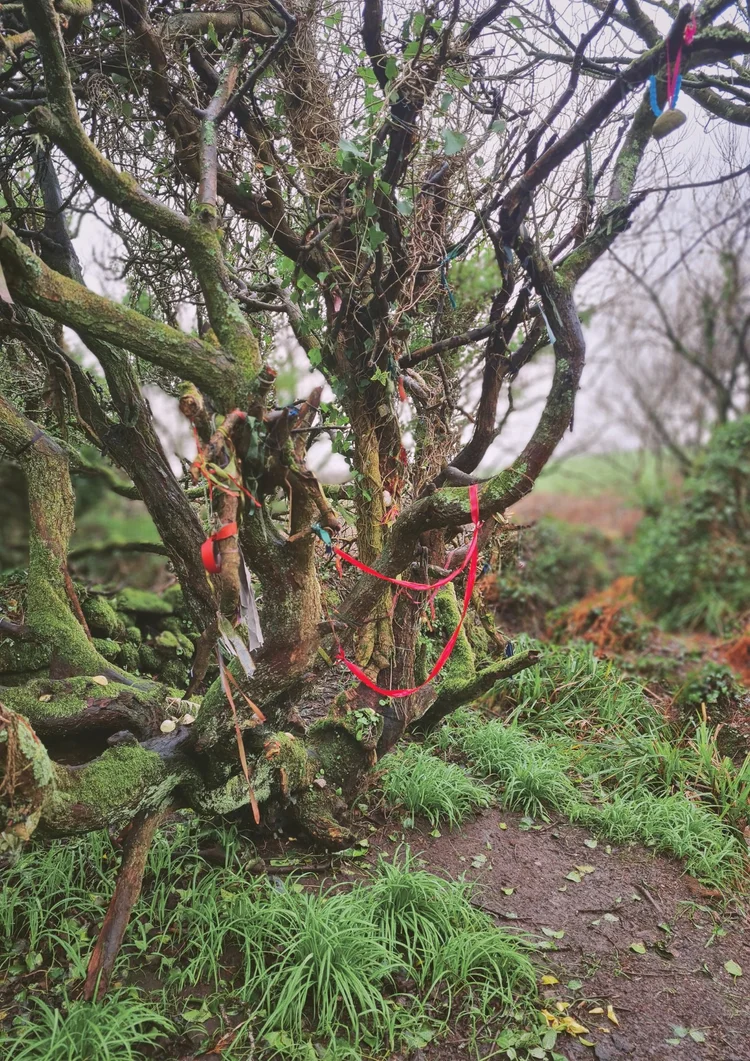
Welcome to the first Shrew Books newsletter! Four and a half years in the making (procrastinating), and a product of what is becoming my annual January hiatus. Someone recently referred to this winter break as a sabbatical, which I can’t really argue with, though I only wish it could have been longer… I think many of us will associate the arrival of this new year with a huge metaphysical sigh, ready to see the back of 2024 and the emotional and economic and geopolitical slump it bore. By the end of December I felt absolutely spent, drained of all of my nutrients, and I can only apologise to those customers who ended up at the prickly end of my mood last year. I used this time away from piles of admin (much of which is entirely self-generated and, evidenced in this break, totally unnecessary) to tart up the shop – new carpet and clean shelves, mostly – and to take in some grand scenery. I think it can be important, particularly in a period of disproportionate introspection, when it feels as though we might be drowning in digital information and the rhetoric of international lunatics and fantasists, to place yourself in a landscape that is vast – a place that goes far beyond the horizon. Staring at the sea is handy for this, and I also find standing in the middle of a moor (Dartmoor, Exmoor, or even Bodmin Moor are perfect, and reachable for us) can achieve the same result. At points when my inner life seems unmanageable and overwhelming, I need a space to diminish it. I need to feel small again, to understand my own insignificance and impermanence. I visited the Brecon Beacons with my partner at the end of January, and we roamed through the valleys between these beautiful mountains clothed in mist, only climbing the foothills once or twice, never actually reaching a mountain top. As I was reading our latest book club choice, The Living Mountain by Nan Shepherd, I found that, like Nan, I no longer had any grandiose desire to scale the peak of a mountain. I wanted to be surrounded by the undulating land; I wanted to be humbled by its scale. The Shrew book club met at the end of the month, and our reception of The Living Mountain was warm. Many of us referenced the same sense of falling into a semi-conscious dream-state while reading this exquisite book, now a classic, slipping in and out of it as we read her poetic descriptions of the colours and contours and animal life of the Cairngorms. I was hypnotized by Nan Shepherd’s prose, and followed it with another wistful and lyrical work about landscape and the human relationship with the elements: Cairn by Kathleen Jamie, our supplementary/complimentary book club title (something I’ve started doing, when our core title is a bit short). The text was likewise gorgeous and poetic – being written by a poet – but contained a ruminative, more melancholy account of our dealings with our environment. The eighty-or-so years between the two texts clearly reveals the declining gradient in the condition of the planet, though also shows that our love for it hasn’t shifted an inch. I felt the same sense of humbling smallness on a January visit to Mousehole, where I wandered the tiny ancient streets and smelled the odours that seemed to breeze in from the past, the centre of the village coursing with the soothing fragrance of wood smoke and baking fruitcakes. While in the area, I visited Carn Euny and walked a trail to and from it that incorporated four of the holy wells springing from the region. I was absolutely bewitched by these places that still seem to hold such spiritual importance for so many people - whether the wells themselves emit a divine aura, or I was projecting one onto them simply by knowing that they were significant, I was deeply moved by each individual well and the decorative offerings and worn candle stubs that were scattered around the interiors and their winding tree roots. Carn Euny itself felt special in a way that barely warrants a description from me, the history dolt that I am, but as I walked amongst the remains of this ancient settlement in the streaming winter rain, my hands a sodden raw pink and my hood glued to my face, I was totally transfixed by my imaginings of the small community who had once lived here cheek-by-jowl with an all but alien (to the modern digital human) physical immediacy, surrounded by their livestock, within a hundred yards of a holy well, and less than a mile from Caer Bran and Sancreed Beacon. With the rising interest in our folk history, the moors and the standing stones and the legends that have become inextricable from them, it stands to reason that surrealist artist Ithell Colquhoun’s legendary book The Living Stones, investigating the mystical Cornish landscape and the marks that humans have made upon it over thousands of years, has finally been reissued after a year or more of being almost impossible to access. Colquhoun’s work spans the artistic spectrum from fine art to literature, in a way that may feel familiar to those of you who already know the work of her contemporary fellow surrealist Leonora Carrington – no less trippy, equally fabulous, and until recently often side-lined in favour of the male artists in their same sphere of influence. We’re stocking the work of these remarkable women at Shrew Books, and you’ll even be able to see some of Ithell Colquhoun’s incredible paintings at the Tate in St Ives (and later at the Tate Britain) from February to May this year, in the first ever major exhibition of her work. It's interesting to me, after writing about the spirituality embedded in our land and history, that I just received a phone call from a customer – someone I’d never met before – who was enquiring about my stock of Christian books. I don’t actually stock any Christian texts, beyond a collection of writings by C. S. Lewis, and I don’t stock holy texts of any other religion or denomination at Shrew Books. That is a personal choice, and in no way means that I’m attempting to censor anyone’s desire to read these texts – I just find them, and our attachment to them, far too ethically complicated. When I explained to my customer very simply that I didn’t have any Christian texts in the shop, or any religious texts of any kind for that matter, she asked me what I believed in. I found that the question stopped me in my tracks, as I didn’t know how to explain to someone so devout that I believed in lots of things, all at once… I just told her that I’m an atheist humanist, and she responded that that was a shame, as “God is good”, and told me that I needed to rethink my ways, otherwise I’d be missing something essential to a worthwhile life. I explained that I was absolutely fine, thanks, and that such a commentary was totally unsolicited and kind of insulting. And the more I think about people like Nan and Kathleen, Ithell and Leonora, and the ancient communities scattered around this beautiful county who visited their pagan rituals on the vital springs and hilltops around them long before a Christian god, dining out on stories of mysterious animals and ghosts and mists and piskies, the closer I come to a mellow equilibrium – while frankly digging my heels in.
|